
Upgrading to Modern Technology: The Benefits for C-130 Hercules Aircraft
- Ryan French
- Feb 6, 2025
- 6 min read
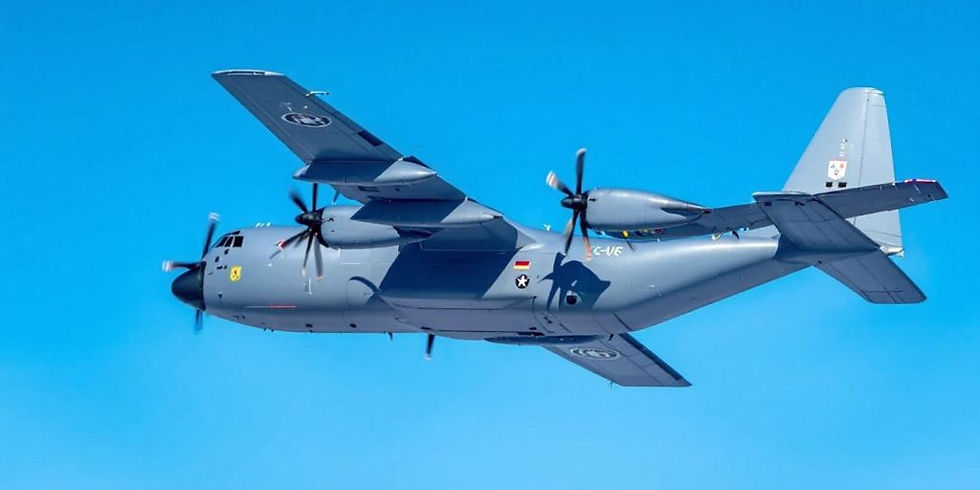
The C-130 Hercules has been a vital part of military aviation for decades. Over the years, it has evolved significantly to meet changing demands and technologies. This modernization is crucial for maintaining its effectiveness in various missions.
Historical Context and Evolution
The C-130 was first introduced in the early 1950s and has undergone numerous upgrades since then. Key milestones include:
Introduction of new engine technologies
Enhancements in weight reduction
Upgrades in avionics and navigation systems
Current State of C-130 Technology
Today, the C-130 fleet includes various models, each equipped with advanced technologies. The current upgrades focus on:
Improved avionics systems
Enhanced communication capabilities
Modernized cockpit designs
Future Prospects for C-130 Upgrades
Looking ahead, the C-130 is set to receive even more upgrades. Future enhancements may include:
Advanced data link systems
Enhanced navigation tools
Integration of artificial intelligence for operational efficiency
The modernization efforts of the C-130 are a series of innovative changes that ensure its relevance in modern warfare.
In summary, the C-130 Hercules continues to adapt and improve, ensuring it remains a key asset for military operations worldwide.
Avionics Modernization Program: Enhancing Flight Capabilities
Key Components of the Avionics Modernization Program
The Avionics Modernization Program (AMP) is a significant upgrade for the C-130 Hercules. It replaces outdated instruments from the 1960s with a modern glass cockpit. Key components include:
Flat panel displays
Heads-up displays (HUD)
Advanced communication and navigation systems
Benefits of Glass Cockpit Integration
Integrating a glass cockpit brings numerous advantages:
Improved pilot situational awareness
Enhanced accuracy of information
Streamlined operations with computer-driven systems
Impact on Pilot Situational Awareness
The modernization greatly enhances pilot situational awareness. With the new HUD, pilots can access critical flight data without looking away from their primary view. This leads to:
Faster decision-making
Increased safety in crowded airspaces
Better management of air traffic
The modernization of the C-130 is essential for adapting to the challenges of modern air traffic management. As airspace becomes more crowded, having accurate and reliable instruments is crucial for safety and efficiency.
In summary, the Avionics Modernization Program is a vital step in ensuring that the C-130 Hercules remains a capable and effective aircraft for various missions. The upgrades not only enhance flight capabilities but also ensure compliance with modern standards, making the aircraft safer and more efficient.
Communication and Navigation Upgrades: Staying Connected and Compliant
Modern Communication Systems
The C-130 Hercules has seen significant improvements in its communication systems. These upgrades ensure that the aircraft remains connected in various operational environments. Key components include:
HF-9000 High Frequency Communication Transceiver
VHF-4000 VHF Communication Transceiver
Iridium SATCOM transceivers for satellite communication
Navigation Enhancements
Navigation technology has also advanced, providing better accuracy and reliability. The following systems are now integrated:
DME-4000 for distance measuring
NAV-4000 for navigation functions
ADS-B Out for automatic dependent surveillance
Compliance with International Standards
Upgrading communication and navigation systems helps the C-130 comply with international aviation standards. This is crucial for:
Safety: Enhanced situational awareness for pilots.
Efficiency: Streamlined operations in busy airspaces.
Coordination: Improved collaboration with other aircraft and ground control.
Upgrading the C-130's communication and navigation systems not only enhances its capabilities but also ensures it meets global aviation requirements.
System Type | Model/Description |
Communication | HF-9000, VHF-4000 |
Navigation | DME-4000, NAV-4000 |
Compliance | ADS-B Out |
Data Link and Network Systems: Revolutionizing Battlefield Dynamics
Introduction to Data Link Systems
Data link systems are essential for modern military operations. They allow aircraft like the C-130 Hercules to communicate effectively with other units. These systems enhance coordination and situational awareness on the battlefield.
Advantages of Link-16
Link-16 is a tactical data link that provides several benefits:
Real-time data sharing among various platforms.
Improved targeting accuracy through shared information.
Enhanced interoperability with allied forces.
Enhanced Battle Space Situational Awareness
With modern data link systems, C-130 crews can achieve:
Better visibility of the operational environment.
Faster decision-making based on accurate data.
Increased safety through improved communication with ground and air units.
The integration of advanced data link systems transforms how military operations are conducted, making them more efficient and effective.
Feature | Description |
Tactical Data Links | Facilitate communication between units |
Link-16 | Provides real-time data sharing |
Enhanced Situational Awareness | Improves decision-making and safety |
Maintenance and Diagnostics: Improving Efficiency and Reducing Downtime
Advancements in Maintenance Technologies
Modernizing the C-130 Hercules involves significant improvements in maintenance technologies. These advancements help ensure that the aircraft remains operational and ready for missions. Key technologies include:
Composite materials for lighter and stronger components.
Automated diagnostic tools that quickly identify issues.
Predictive maintenance systems that anticipate problems before they occur.
Diagnostic Tools and Their Benefits
The use of advanced diagnostic tools has transformed how maintenance is performed. These tools provide:
Real-time data on aircraft performance.
Detailed reports that help technicians make informed decisions.
Reduced downtime by speeding up the repair process.
Tool Type | Benefits |
Automated Diagnostics | Faster issue identification |
Predictive Maintenance | Prevents unexpected failures |
Composite Materials | Lighter, stronger components |
Impact on Operational Readiness
Efficient maintenance and diagnostics directly impact the C-130's operational readiness. With modern tools and techniques, the aircraft can:
Stay in the air longer.
Complete more missions.
Reduce costs associated with repairs and downtime.
The integration of modern maintenance technologies is crucial for keeping the C-130 Hercules fleet effective and mission-ready.
In conclusion, upgrading maintenance and diagnostic systems not only enhances the C-130's performance but also ensures that it meets the demands of modern military operations.
Global Implementation of C-130 Upgrades
Case Study: Indonesian Air Force
The Indonesian Air Force has been a key player in the global modernization of the C-130 Hercules. They have successfully integrated advanced avionics and communication systems, enhancing their operational capabilities. This modernization effort not only improves their tactical airlift power but also aligns with international standards.
International Collaborations and Partnerships
Several countries are collaborating to upgrade their C-130 fleets. Key partnerships include:
Joint training programs with U.S. Air Force personnel.
Sharing of best practices in maintenance and operations.
Access to cutting-edge technology through defense agreements.
These collaborations ensure that nations can effectively utilize their C-130s in various missions, from humanitarian aid to combat operations.
Future Expansion Plans
Looking ahead, many air forces plan to expand their C-130 upgrade initiatives. Some of the anticipated upgrades include:
Enhanced data link systems for better communication.
Advanced navigation technologies to improve safety and efficiency.
Integration of modernized training simulators for crew preparation.
The ongoing upgrades to the C-130 Hercules are crucial for maintaining its relevance in modern warfare. As air forces around the world continue to enhance their fleets, the C-130 remains a vital asset in tactical airlift operations.
By investing in these upgrades, countries can ensure that their C-130s remain effective and ready for any mission, adapting to the ever-changing landscape of military aviation.
Training and Simulation: Preparing the Next Generation of C-130 Operators
Overview of Training Programs
Training programs for C-130 operators have evolved significantly. They now include:
Hands-on experience with modernized aircraft.
Use of advanced simulators for realistic training scenarios.
Continuous updates to training materials to reflect the latest technology.
Role of Simulators in Training
Simulators play a crucial role in preparing pilots and crew members. They offer:
Safe environments to practice emergency procedures.
Opportunities to experience various flight conditions without risk.
Cost-effective training solutions that reduce the need for actual flight hours.
Benefits of Modernized Training Approaches
Modernized training approaches provide several advantages:
Increased efficiency in training schedules.
Enhanced pilot situational awareness through realistic simulations.
Better preparation for real-world missions with updated technology.
Modern training methods ensure that C-130 operators are ready for the challenges of today’s missions, making them more effective in the field.
The integration of advanced training tools, such as the full-mission simulator developed by CAE under subcontract to Lockheed Martin, is a significant step forward in preparing the next generation of C-130 operators. This simulator will enhance training for the French and German C-130J crews, ensuring they are equipped with the skills needed for modern operations.
Conclusion
In summary, upgrading the C-130 Hercules aircraft with modern technology brings many advantages. These upgrades improve safety, efficiency, and mission capabilities. With new avionics and better navigation systems, pilots can operate more effectively in crowded airspaces. The modernization also helps the aircraft meet current international standards, making it more reliable for various missions. As technology continues to advance, keeping the C-130 updated ensures it remains a vital asset for military and humanitarian operations around the world.


Comments