
How Engine Repairs Can Improve C-130 Hercules Performance*
- Ryan French
- Nov 21, 2024
- 7 min read
The C-130 Hercules is a vital aircraft used for various military and humanitarian missions. Enhancing its engine performance through repairs and upgrades can lead to significant improvements in efficiency, reliability, and overall operational capability. This article explores how engine repairs can boost the performance of the C-130 Hercules, making it more effective in its roles.
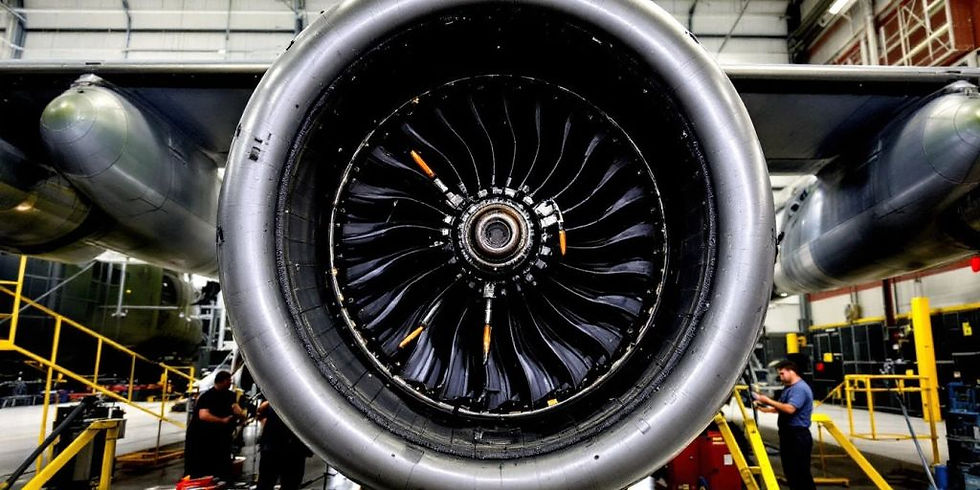
Key Takeaways
Upgrading T56 engines can lead to better fuel efficiency and reduce operational costs.
Modern engine options improve aircraft reliability and decrease maintenance needs.
Enhanced engines allow the C-130 Hercules to perform better in challenging environments.
Investing in engine upgrades can result in long-term savings and improved mission capabilities.
Technological innovations in engines can significantly enhance the overall performance of the C-130 Hercules.
Understanding the Importance of Engine Upgrades for the C-130 Hercules
Upgrading the engines of the C-130 Hercules is crucial for enhancing its overall performance. Modern engines can significantly improve efficiency and reliability, which is essential for various missions, including cargo transport and disaster relief.
Benefits of Modernizing T56 Engines
Increased Power: Newer engines provide more thrust, allowing for heavier loads.
Better Fuel Efficiency: Upgraded engines consume less fuel, saving money over time.
Longer Lifespan: Modern engines are designed to last longer, reducing the need for frequent replacements.
Impact on Aircraft Performance
Improved Climb Rates: Enhanced engines allow for quicker ascents, crucial in combat situations.
Higher Operational Altitude: Upgraded engines enable the aircraft to operate at higher altitudes, improving mission capabilities.
Enhanced Range: Better fuel efficiency translates to longer flight distances without refueling.
Economic Advantages of Engine Upgrades
Aspect | Before Upgrade | After Upgrade | Savings |
Fuel Cost (per year) | $X million | $Y million | $Z million saved |
Maintenance Cost | $A million | $B million | $C million saved |
Engine Lifespan (years) | 10 | 15 | 5 years more |
Upgrading the C-130 Hercules engines not only enhances performance but also leads to significant cost savings in the long run. This makes it a wise investment for military operations.
Evaluating Different Engine Options for the C-130 Hercules
When it comes to the C-130 Hercules, choosing the right engine is crucial for its performance. Upgrading engines can lead to significant improvements in efficiency and capability. Here’s a look at some of the main options available:
T56-S3.5 vs. T56-A427
T56-S3.5: Known for its reliability and lower maintenance costs.
T56-A427: Offers better fuel efficiency but at a higher initial cost.
Both engines have their strengths, but the choice depends on specific mission requirements.
AE 2100 and PW150 Comparisons
Engine Type | Cost (Million $) | Annual Fuel Savings (Million Gal) |
AE 2100 | 1.0 | 28 |
PW150 | 0.965 | 27 |
The AE 2100 provides the highest fuel savings, making it attractive despite its cost.
The PW150 is slightly cheaper and offers comparable performance.
Cost-Benefit Analysis of Engine Choices
Initial Investment: Consider the upfront costs of each engine.
Fuel Efficiency: Evaluate the long-term savings from fuel consumption.
Maintenance Costs: Factor in the ongoing costs associated with each engine type.
Choosing the right engine for the C-130 Hercules is not just about performance; it’s also about balancing costs and benefits effectively.
In summary, evaluating different engine options involves understanding their costs, benefits, and how they align with the operational needs of the C-130 Hercules. Each option has unique advantages that can enhance the aircraft's overall performance, making it essential to choose wisely.
Highlight: wright releases white paper on potential C-130 upgrades.
Enhancing Fuel Efficiency Through Engine Repairs
Fuel Savings with Upgraded Engines
Upgrading the engines of the C-130 Hercules can lead to significant fuel savings. For instance, the T56 series 3.5 engine upgrade can improve fuel efficiency by up to 8%. This means that for every flight hour, the aircraft can save a considerable amount of fuel, which translates to lower operational costs.
Impact on Operational Costs
The reduction in fuel consumption directly impacts the overall operational costs. Here are some key points to consider:
Lower fuel expenses: With upgraded engines, the C-130 can save millions of gallons of fuel annually.
Maintenance savings: Newer engines often require less maintenance, which can save money in the long run.
Increased flight hours: More efficient engines can lead to longer flight times without the need for refueling.
Long-Term Benefits of Fuel Efficiency
Investing in engine repairs not only saves money now but also offers long-term benefits:
Sustainability: Reduced fuel consumption contributes to environmental sustainability.
Enhanced mission capability: More efficient engines allow for longer missions without the need for frequent refueling.
Future-proofing: Upgrading engines prepares the fleet for future operational demands and challenges.
Upgrading the C-130 Hercules engines is not just about immediate savings; it’s about ensuring the aircraft remains effective and efficient for years to come.
Improving Reliability and Maintenance of the C-130 Hercules
Reduction in Maintenance Manpower
Upgrading the C-130 Hercules engines can lead to a significant decrease in the amount of maintenance needed. This means:
Fewer hours spent on repairs
Less manpower required for upkeep
More time available for missions
Extended Engine Life-Cycle
With modernized engines, the lifespan of the T56 engines can be greatly increased. This results in:
Longer operational periods between overhauls
Reduced frequency of major repairs
Enhanced reliability during missions
Advancements in Propeller Systems
The new propeller systems offer several benefits:
Improved performance at lower speeds
Less maintenance time due to advanced materials
Digital control systems that enhance responsiveness
Upgrading the engines not only boosts performance but also ensures that the C-130 Hercules remains a reliable asset for various missions, including support during natural disasters and combat operations.
Feature | Before Upgrade | After Upgrade |
Maintenance Hours Required | High | Low |
Engine Lifespan (Years) | 10 | 15 |
Propeller Maintenance Time | Frequent | Rare |
By focusing on these improvements, the C-130 Hercules can maintain its status as a vital tool for the Air Force, avoiding issues like the air force wasting millions on bad spare parts.
Operational Benefits of Re-Engining the C-130 Hercules
Increased Mission Capability
Re-engining the C-130 Hercules can significantly enhance its mission capability. With upgraded engines, the aircraft can:
Carry heavier loads more efficiently.
Reach destinations faster due to improved speed.
Operate in challenging environments with better performance.
Performance in Demanding Environments
The upgraded engines allow the C-130 to perform better in tough conditions. This includes:
Higher altitudes and extreme temperatures.
Shorter runways, which are often found in remote areas.
Increased reliability during critical missions.
Support for Domestic Operations
The C-130 plays a vital role in domestic operations, such as:
Disaster relief efforts, where quick response is crucial.
Firefighting missions, requiring rapid deployment of resources.
Transportation of supplies to remote locations.
The modernization of the C-130's engines not only boosts its performance but also extends its operational life, ensuring it remains a key asset for years to come.
Engine Type | Fuel Savings (%) | Maintenance Savings (%) |
T56-S3.5 | 8 | 30 |
T56-A427 | 13 | 40 |
AE 2100 | 28 | 50 |
In summary, re-engining the C-130 Hercules leads to greater efficiency and effectiveness in various operational roles, making it a more valuable asset for military and humanitarian missions.
Technological Innovations in C-130 Hercules Engine Upgrades
Electronic Propeller Control Systems
The Electronic Propeller Control System (EPCS) is a major advancement for the C-130 Hercules. This system replaces traditional hydraulic controls with electronic ones, leading to:
Increased reliability: At least a 50% boost in reliability.
Faster response: Improved acceleration when throttles are advanced quickly.
Reduced maintenance: Less time spent on propeller upkeep.
Composite Eight-Bladed Propellers
Another significant upgrade is the shift to composite eight-bladed propellers. This change offers:
Better performance: Enhanced low-speed operational capabilities.
Lower noise: Reduced sound and vibrations in the cockpit.
Shorter takeoff distances: Nearly a 10% decrease in required distance for takeoff.
Advanced Turbine and Compressor Designs
The new turbine and compressor designs are crucial for improving engine efficiency. Key benefits include:
Cooler operating temperatures: This helps in extending engine life.
Improved fuel efficiency: More power with less fuel consumption.
Longer maintenance intervals: Less frequent major overhauls needed.
The upgrades to the C-130 Hercules engines not only enhance performance but also ensure that the aircraft remains a reliable asset for various missions, including disaster response and combat operations.
Financial Implications of C-130 Hercules Engine Repairs
Investment vs. Savings Analysis
Upgrading the engines of the C-130 Hercules can lead to significant financial benefits. Investing in modern engines can save money in the long run. Here are some key points to consider:
Fuel Savings: Newer engines can reduce fuel consumption, leading to lower operational costs.
Maintenance Costs: Upgraded engines often require less maintenance, which can save money on repairs.
Resale Value: Older engines can be traded in, providing some return on investment.
Government and Contractor Roles
The roles of government and contractors in engine upgrades are crucial. They can help manage costs and ensure that the upgrades are effective. Here are some responsibilities:
Contract Negotiation: Ensuring fair pricing for engine upgrades.
Quality Control: Making sure that the new engines meet safety and performance standards.
Logistics Support: Coordinating the installation and maintenance of new engines.
Economic Impact on Fleet Management
The financial implications of engine repairs extend beyond immediate costs. They can affect overall fleet management in several ways:
Increased Efficiency: Better engines can improve the performance of the entire fleet.
Long-Term Savings: Reduced fuel and maintenance costs can lead to significant savings over time.
Operational Flexibility: Enhanced performance allows for more varied missions and better response times.
Investing in engine upgrades not only improves performance but also enhances the economic viability of maintaining the C-130 Hercules fleet. This is especially important given the audit of air force defective parts and contractor restitution, which highlights the need for reliable and efficient aircraft operations.
Conclusion
In summary, upgrading the engines of the C-130 Hercules can lead to significant improvements in its performance. These enhancements not only boost fuel efficiency but also extend the lifespan of the engines, which means less frequent repairs. With better engines, the C-130 can operate more reliably in various missions, whether it's delivering supplies in tough conditions or assisting during emergencies at home. Overall, investing in engine repairs and upgrades is a smart move that can make the C-130 even more effective and dependable.
Frequently Asked Questions
What are the benefits of upgrading the engines on a C-130 Hercules?
Upgrading the engines can lead to better fuel efficiency, lower maintenance costs, and improved overall performance of the aircraft.
How do modern engines compare to the older T56 engines?
Modern engines like the T56-S3.5 and AE 2100 offer better fuel savings and reliability compared to older T56 engines.
Are there financial benefits to re-engining the C-130 Hercules?
Yes, re-engining can save money on fuel and maintenance, making it a cost-effective choice in the long run.
What impact do engine upgrades have on mission capabilities?
Engine upgrades can enhance mission capabilities by allowing the aircraft to perform better in challenging environments.
How does fuel efficiency affect operational costs?
Improved fuel efficiency leads to lower operational costs, which can save money for military budgets.
What technological advancements are included in engine upgrades?
Engine upgrades often include features like electronic propeller controls and advanced turbine designs, improving performance and reliability.


Comments